


Table of Contents Show
Scandinavian design in architecture is a Nordic approach that pairs clean lines, natural light, and honest materials with everyday function. Born in Denmark, Sweden, Norway, Finland, and Iceland during the early twentieth century, it values simplicity, craftsmanship, and comfort, creating bright, uncluttered spaces that feel calm, warm, and genuinely livable.
Walk into a well-designed Nordic home and the first thing you notice is how easy it feels to be there. Light moves freely across pale wood floors. Furniture sits low and quiet. Nothing shouts for attention, yet every object earns its place. That feeling is no accident. It is the result of a design tradition built around people rather than ornament, and it has quietly shaped how millions of homes look today.
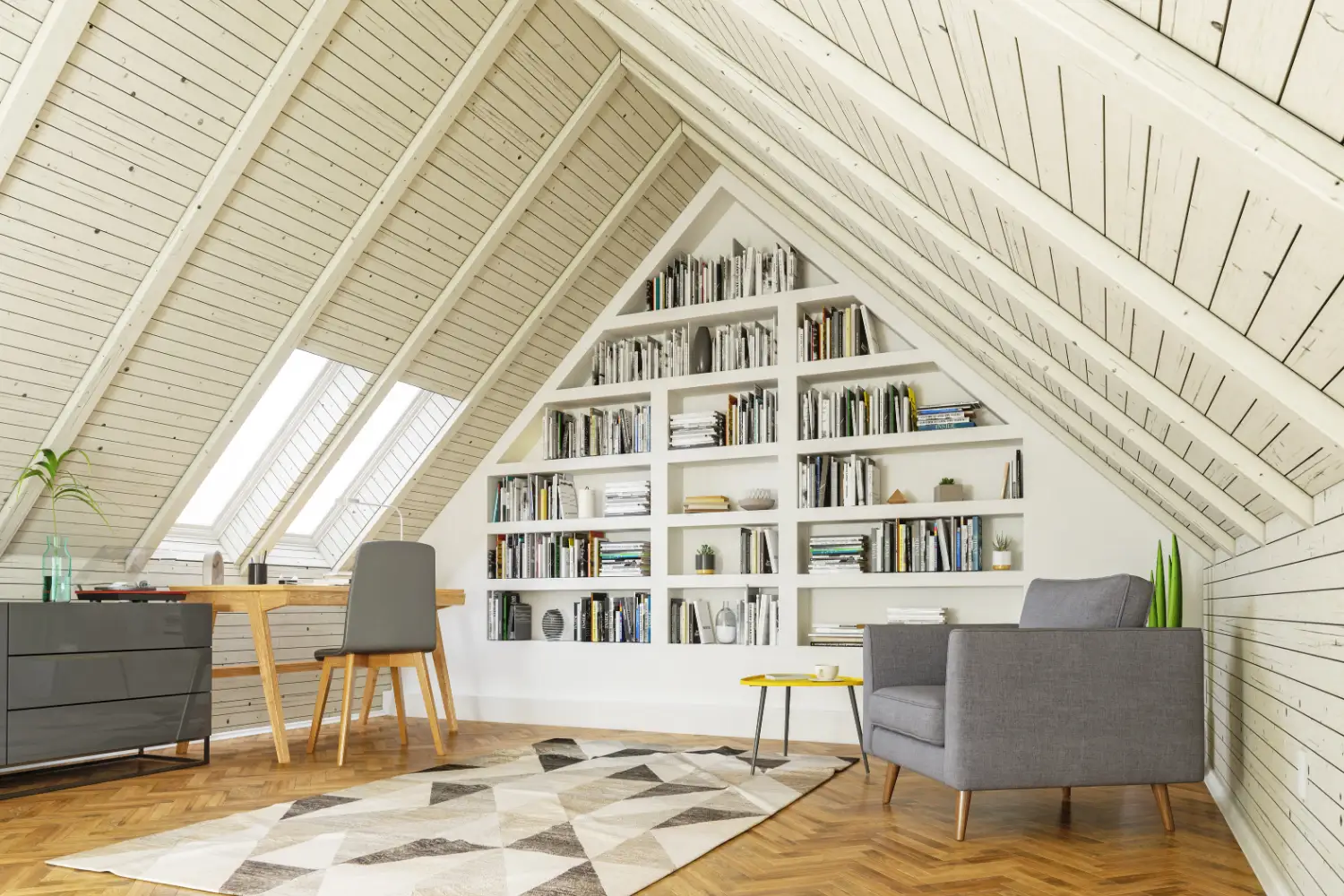
What Is Scandinavian Design and Why Does It Matter?
Scandinavian design is a movement in architecture and the applied arts that grew out of the Nordic countries, defined by function, restraint, and a deep respect for natural materials. It rejects excess decoration in favor of forms that serve a clear purpose. A chair should be comfortable and well made before it is fashionable. A room should work for daily life before it impresses a guest.
The style matters because it solved a real problem. Long, dark winters and modest household budgets pushed Nordic architects and craftspeople to make the most of limited light, limited space, and limited resources. Their answer was a kind of beauty that anyone could afford and everyone could use. That principle, often called democratic design, runs through the entire tradition and still guides brands and architects across the region.
There is a social story here too. The Nordic countries built strong welfare states in the twentieth century, and design followed the same egalitarian logic. Good housing, good schools, and good public buildings were meant for everyone, not just the wealthy. Architects treated a daycare center or a public library with the same care they gave a private villa. That belief, that ordinary daily life deserves thoughtful design, is the quiet engine behind the whole movement.
If you have read about minimalist architecture and the idea that less is more, you already understand part of the picture. Scandinavian work shares that discipline, but it adds warmth that pure minimalism often leaves out.

The Origins of Scandinavian Design in Architecture
The roots reach back to the 1910s and 1920s, when Nordic designers began blending the clean logic of European modernism with their own folk craft traditions. Where the Bauhaus leaned toward steel, glass, and industry, Scandinavian architects kept timber, wool, and leather close at hand. The result felt softer and more human than the machine aesthetic spreading across continental Europe.
The movement reached a global audience in the years after the Second World War. A traveling exhibition titled “Design in Scandinavia” introduced North American audiences to Nordic furniture, glass, and ceramics, and the term Scandinavian design entered everyday speech. By the 1950s and 1960s, names like Hans Wegner and Finn Juhl had turned the simple wooden chair into a cultural export.
📌 Did You Know?
The exhibition “Design in Scandinavia” toured the United States and Canada from 1954 to 1957, stopping at more than twenty museums. It is widely credited with carrying the Nordic design idea into the mainstream of North American homes and shaping how the term is used today.
Finland sits a little apart from Denmark, Sweden, and Norway in strict geography, yet its contribution is central. The Finnish architect Alvar Aalto, through the Alvar Aalto Foundation, showed how bent plywood, organic curves, and daylight could turn buildings into healing, human places. His work pulled the whole region toward a gentler form of modernism.
Core Principles of Scandinavian Architecture and Interiors
Behind the calm surfaces sits a clear set of rules. These ideas repeat across homes, schools, libraries, and public buildings throughout the Nordic countries, which is why so many of them feel related even when they were built decades apart.

Function Comes First
Every element answers to use. Storage is built in rather than added on. Furniture is light enough to move and sturdy enough to last for generations. This focus on practical living connects closely to the broader ideas behind popular interior design concepts that prize order and flow over display.
Natural Light as a Building Material
In a climate where winter daylight can last only a few hours, light is treated as a precious resource. Large windows, pale walls, and reflective surfaces stretch every ray as far as it will go. Architects place openings to catch low northern sun and to frame views of water, forest, or sky, so the outdoors stays present even in deep cold.
Honest, Natural Materials
Light woods such as birch, ash, and pine dominate, paired with wool, linen, leather, and stone. Surfaces are usually left close to their raw state so the grain and texture stay visible. This respect for local, low-impact resources echoes the case for using local materials in sustainable construction, a practice Nordic builders have followed for centuries.
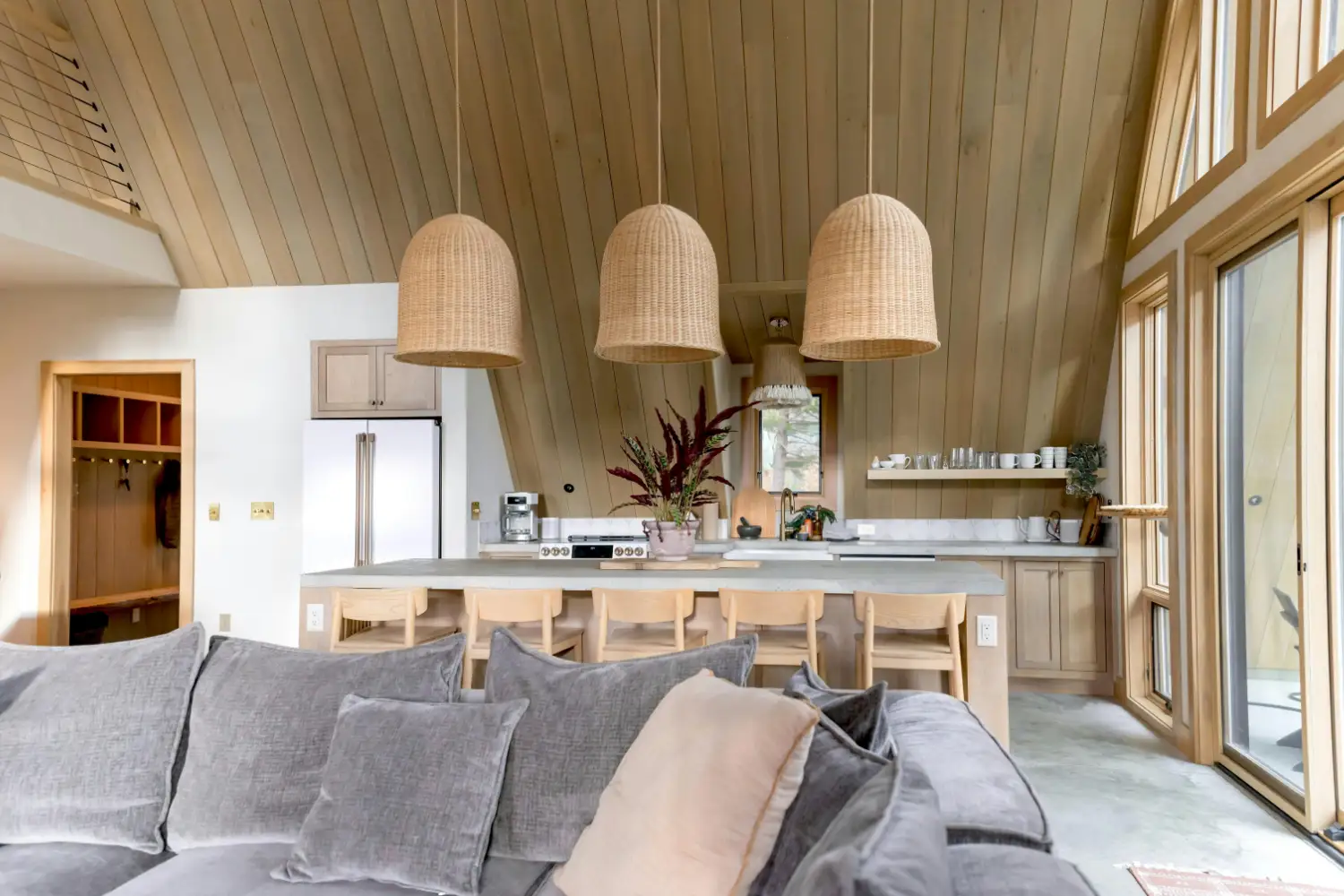
Restrained Color and Visual Calm
Color in Scandinavian rooms is deliberate and quiet. Whites, soft grays, and gentle earth tones form the base, which keeps the space bright and lets the wood and textiles carry the warmth. When stronger color appears, it usually arrives in small doses, a deep blue cushion or a mustard throw, so it reads as a deliberate accent rather than noise. The goal is a room that calms the eye and gives the mind space to rest, which is why these interiors feel restful even when they are full of life.
Hygge and Human-Centered Comfort
The Danish word hygge describes a feeling of cozy contentment, and it explains why Scandinavian interiors rarely feel cold despite their simplicity. Soft textiles, candlelight, warm wood, and a few well-chosen objects keep the mood inviting. Comfort is not a finishing touch here. It is part of the structure.
🎓 Expert Insight
“In Nordic practice we design the daylight and the sightlines first, then place the walls around them. If a room only works on a bright June afternoon, it has failed nine months of the year.” says a licensed architect with two decades of residential work across Denmark and Sweden.
The observation captures why Scandinavian buildings prioritize orientation and glazing long before they settle on finishes or furniture.
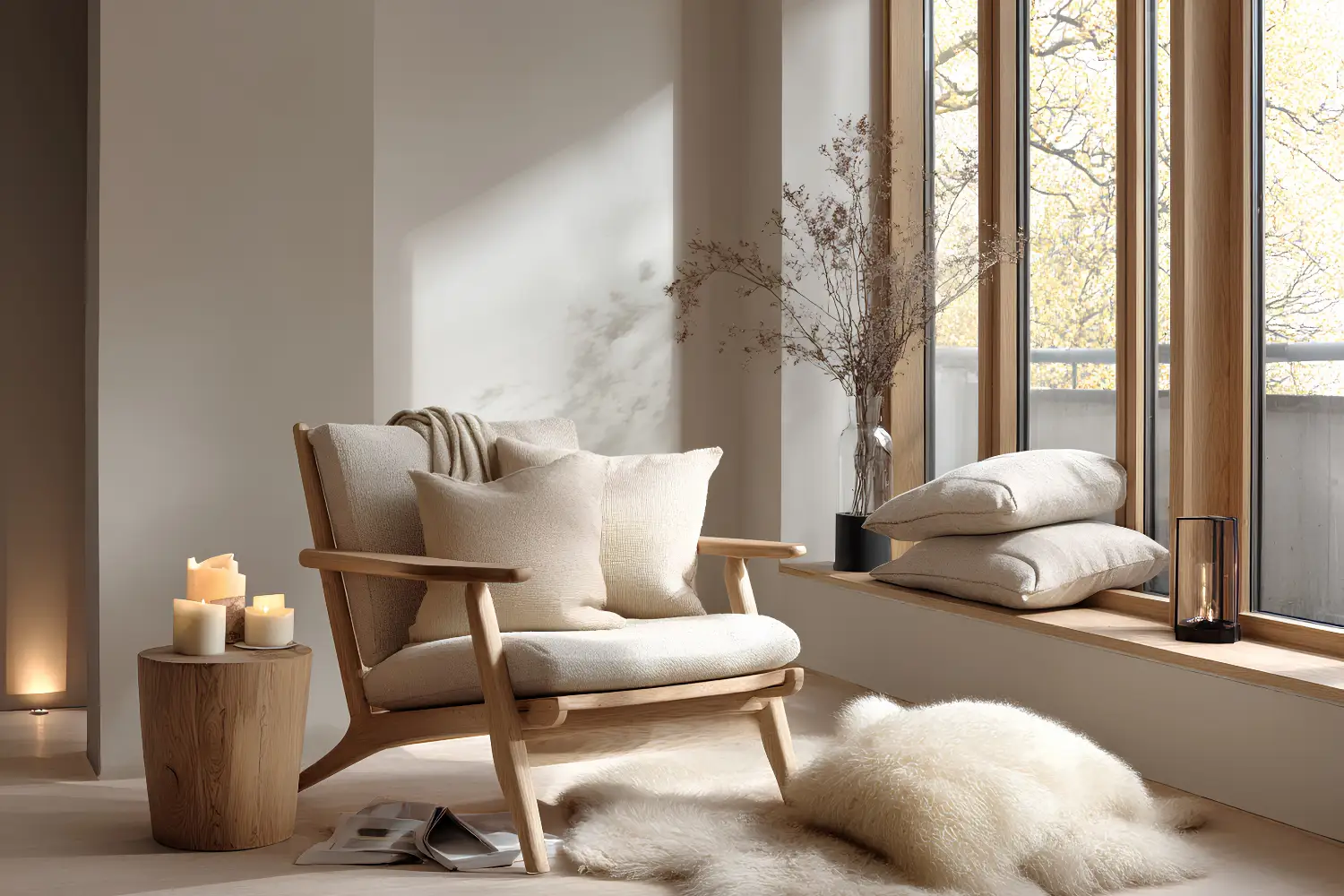
How Does Scandinavian Design Compare to Other Minimalist Styles?
People often group Scandinavian design with other pared-back styles, yet the differences matter. Japanese minimalism leans on emptiness and spiritual calm, mid-century modern reaches for bold sculptural shapes, and the Nordic approach sits between them with its warm, practical character. The table below sets the three side by side.
Scandinavian, Japanese, and Mid-Century Styles at a Glance
| Style | Origin and Period | Key Features | Notable Figure |
|---|---|---|---|
| Scandinavian | Nordic region, 1920s onward | Light wood, daylight, cozy function, muted color | Alvar Aalto |
| Japanese minimalism | Japan, rooted in Zen tradition | Empty space, low furniture, quiet ritual, dark wood | Tadao Ando |
| Mid-century modern | United States, 1945 to 1969 | Sculptural forms, mixed materials, bolder color | Charles and Ray Eames |
For a closer look at one of these neighbors, our piece on Japanese minimalism and mindful living shows how a shared love of simplicity can lead to very different rooms.
Iconic Figures Who Shaped Scandinavian Design
The movement is best understood through the people who built it. Alvar Aalto of Finland brought organic curves and daylight into modernism. In Denmark, Arne Jacobsen designed buildings and chairs with equal care, giving the world the Egg and the Swan. Hans Wegner refined the wooden chair into something close to perfect, while Verner Panton pushed color and plastic into bold new shapes.
The Danish lineage is documented in depth by Designmuseum Danmark in its Danish Modern collection, which traces the era from the 1920s to 2000 through hundreds of original chairs and objects. The museum’s “chair tunnel” alone displays well over a hundred designs and shows how a single object can carry an entire philosophy.
Manufacturers played their part too. The work of Verner Panton, produced and archived by Vitra, proves that Nordic design was never frozen in pale wood and white walls. Panton used saturated reds, oranges, and molded plastic to stretch the tradition while keeping its focus on form that fits the body.
🏗️ Real-World Example
Paimio Sanatorium (Paimio, Finland, 1933): Alvar Aalto designed this tuberculosis hospital as a healing tool. Patient rooms face the sun, ceilings carry quiet color for people lying in bed, and the Paimio Chair was shaped to ease breathing. Every detail answers a human need, which is the Scandinavian idea made concrete.

How Scandinavian Design Shapes Homes Today
You do not need to live in Oslo or Copenhagen to use these ideas. The same principles translate directly into apartments and houses anywhere. Keep the palette light, let natural light reach deep into each room, choose a few sturdy pieces in real wood, and resist the urge to fill every surface. The look reads as fresh and current, which is why it sits at the heart of so much modern house interior design today.
If you want a practical starting point, work through the space in this order:
- Strip the room back to what you actually use, then store or remove the rest so surfaces stay clear.
- Paint walls in a warm white or pale gray to bounce daylight and create a quiet backdrop.
- Add one or two pieces in light, solid wood, such as an oak table or a birch shelf, to set the tone.
- Layer in texture through wool, linen, and a soft rug so the simplicity feels warm rather than bare.
- Finish with greenery and a single warm light source to bring the hygge feeling into the evening.
A common misread of this style is that it means cold, empty, all-white rooms. The opposite is true. Strip away the texture, the wood, and the soft light and you lose the warmth that makes Nordic interiors work. Simplicity here is a frame for comfort, not a rejection of it.
Sustainability gives the style fresh relevance. A home built around durable natural materials, efficient daylight, and furniture made to last fits neatly with low-impact living. The Nordic habit of buying fewer, better things stands in quiet opposition to throwaway interiors, and that democratic design mindset feels more useful now than ever.
💡 Pro Tip
When adapting this look on a budget, spend on one solid wood piece and one good light fixture rather than many cheap items. A single well-made oak table anchors a room far better than a set of disposable furniture, and it ages into the warmth that defines the style.
The broader history behind these homes runs deep. Reference works such as Britannica’s overview of Scandinavian architecture trace the region’s building tradition back through National Romanticism and earlier, showing that today’s pale, calm rooms rest on more than a century of steady, thoughtful work.
The Bigger Picture
Bottom Line: Scandinavian design in architecture is less a fixed look than a way of thinking, where light, function, and honest materials come first and decoration earns its place only when it serves the people inside. Get those priorities right and a space feels calm and welcoming long after passing trends have faded.












Leave a comment