



Chaos has released Veras 5.2, an update to its AI visualisation tool for architects that goes beyond producing images. The new version can build a structured 3D model from a set of reference pictures and send it straight to Revit, Rhino or SketchUp, where it arrives as geometry the designer can keep editing. The model-building agent runs on a choice of two large language models, OpenAI’s GPT-6 Astra as the default and Anthropic’s Claude Opus 5.5, according to the Chaos blog post announcing the release.
The update follows the direction set by Veras 5.0, which let users convert AI-generated images into individual assets placed at the correct scale in their host model. Version 5.2 extends that idea from single objects to a complete scene.
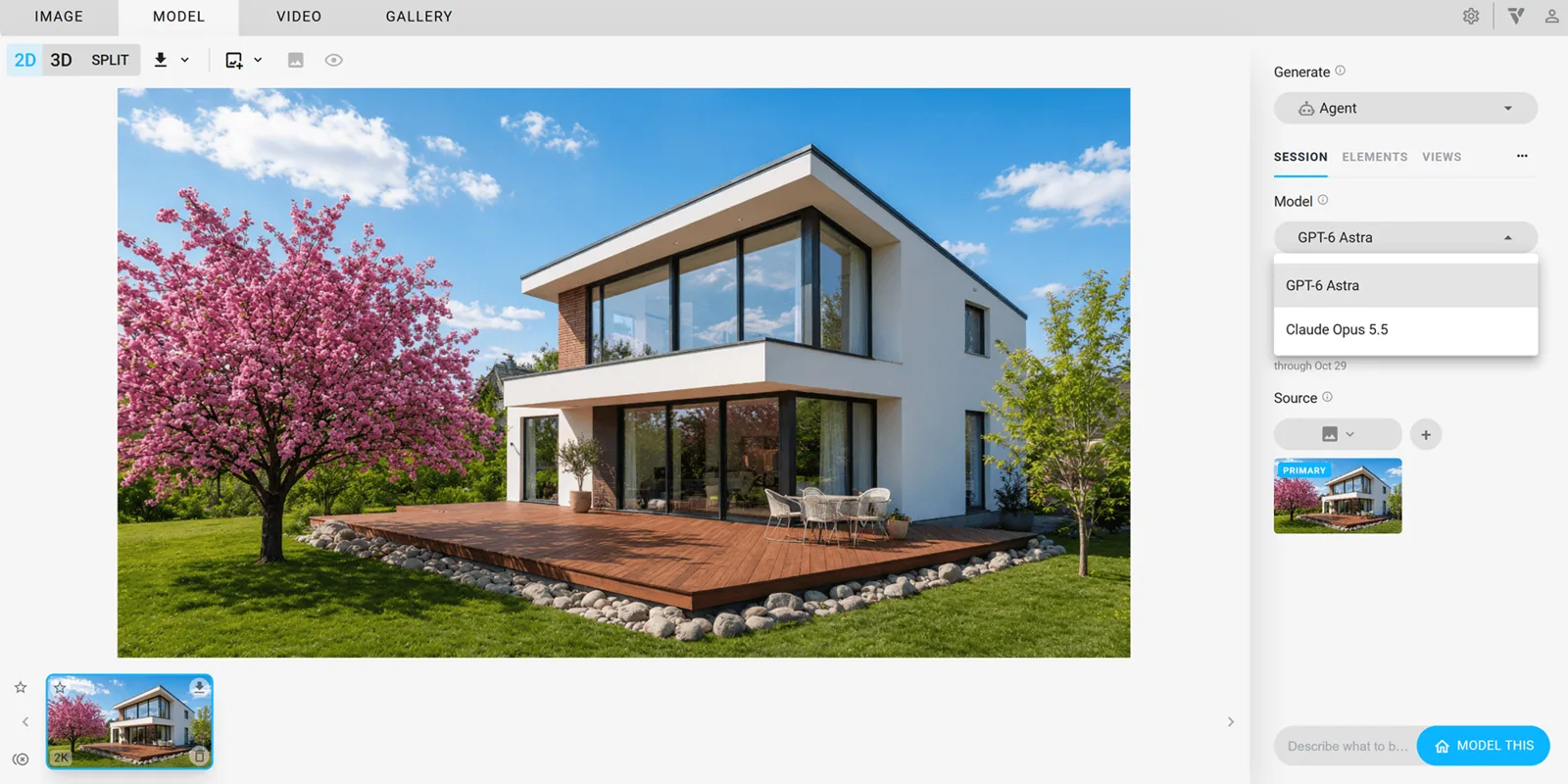
How the Agent mode builds a model
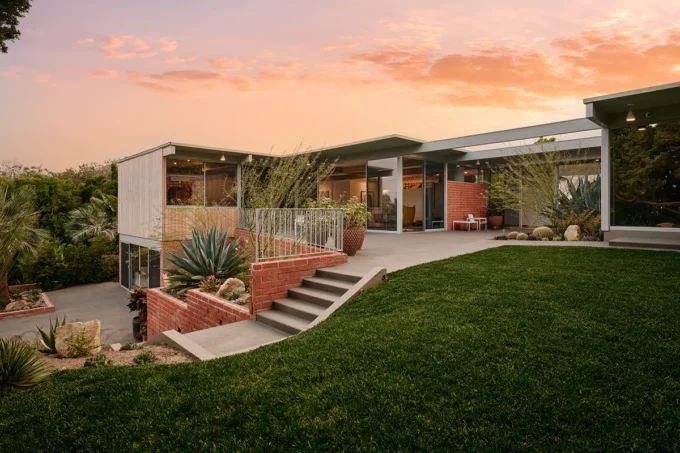
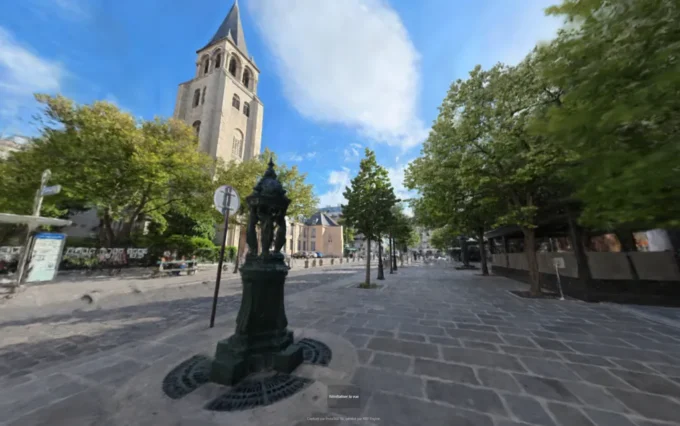
In the new Agent mode, users pick one of the two models and set an effort level that controls how thoroughly the agent works. It accepts up to 12 references at once, which can mix renderings, photographs, sketches, the current host view and snapshots from Veras’s own 3D viewer. The more viewpoints it receives, the better it can understand the building or interior it is rebuilding.
The agent then assembles the model step by step from actual building components such as walls, slabs, roofs, doors, windows and furniture, and it places cameras too. Chaos says it copes with more complex geometry as well, including curved walls, swept and tilted solids, section roofs and openings cut into solids. While it works, it compares the model against the references and corrects parts that do not match. Where the images leave something undetermined, it places a question mark marker in the model so the designer can see which choices were assumptions.
Baking native geometry into Revit, Rhino and SketchUp
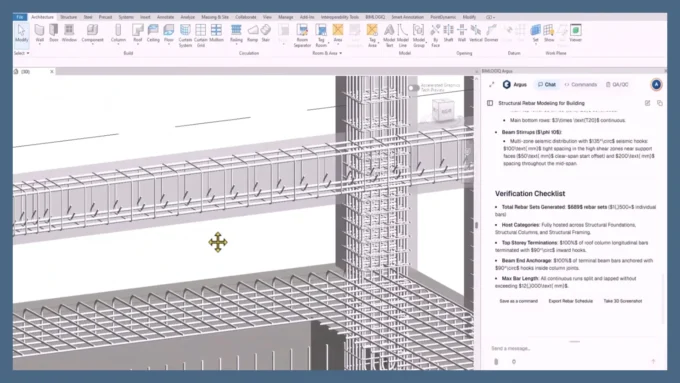
A BAKE function transfers the finished model into the host application without a separate export and conversion step. Revit receives its own native wall, floor, roof, door and window elements; in SketchUp they become editable groups; and Rhino receives editable NURBS geometry. These three programs are currently the only hosts that support native baking.
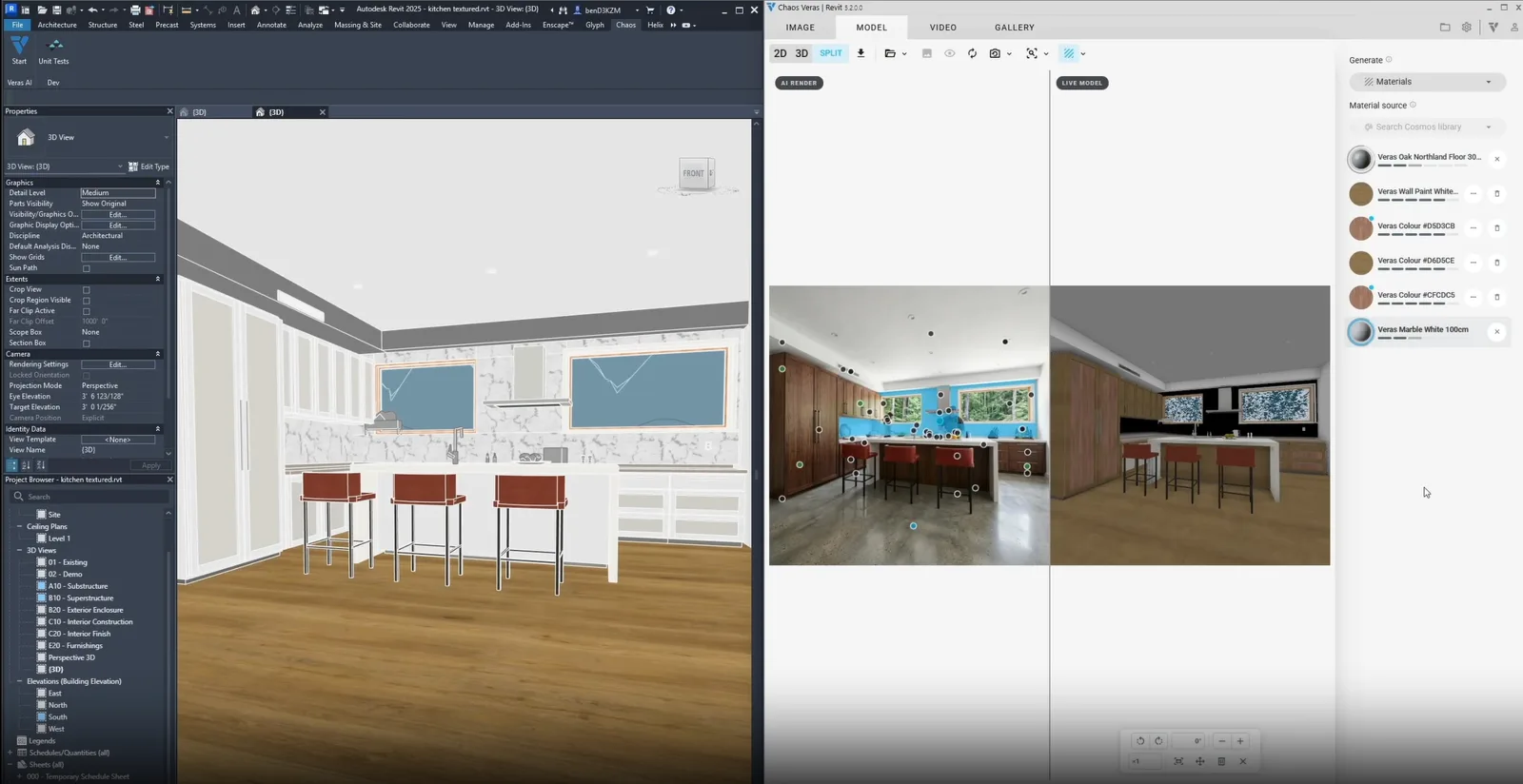
The agent can also pull furniture and other assets from the Chaos Cosmos library and search it for surface materials such as brick or oak flooring, which can be baked into the host model as well. Other additions include a Material Generator linked to Chaos Cloud, Proxy Bake, which puts only a lightweight stand-in into the host file while the complete asset stays available in Veras and Enscape, a Place from Gallery option for reusing earlier assets, a first-person walk-through view, and a wider choice of image and video models, among them GPT Image 2.5 and Grok Imagine 2.
Free credits during October
To launch the Astra-powered workflow, Chaos is giving users 2,000 free model-generation credits throughout October. At an average of about 500 credits per model, that covers roughly four models, although actual use depends on complexity. The update is available now to current users of Veras, as well as Enscape, V-Ray and Corona customers, while newcomers can begin with a free trial.






Leave a comment