


Table of Contents Show
A successful renovation is usually judged by what remains when the project is finished: better spaces, improved functionality, updated materials, and a building that works more effectively for the people using it, an outcome that begins with careful waste planning.
But during construction, one of the most important planning questions involves what is being removed.
Demolition debris, discarded finishes, old cabinetry, drywall, flooring, packaging, and other construction waste can quickly affect how efficiently a renovation site operates. For architects, contractors, and homeowners, planning for waste removal early can help prevent logistical problems that otherwise appear after work has already begun.
Waste Planning Is Part of the Construction Logistics Plan
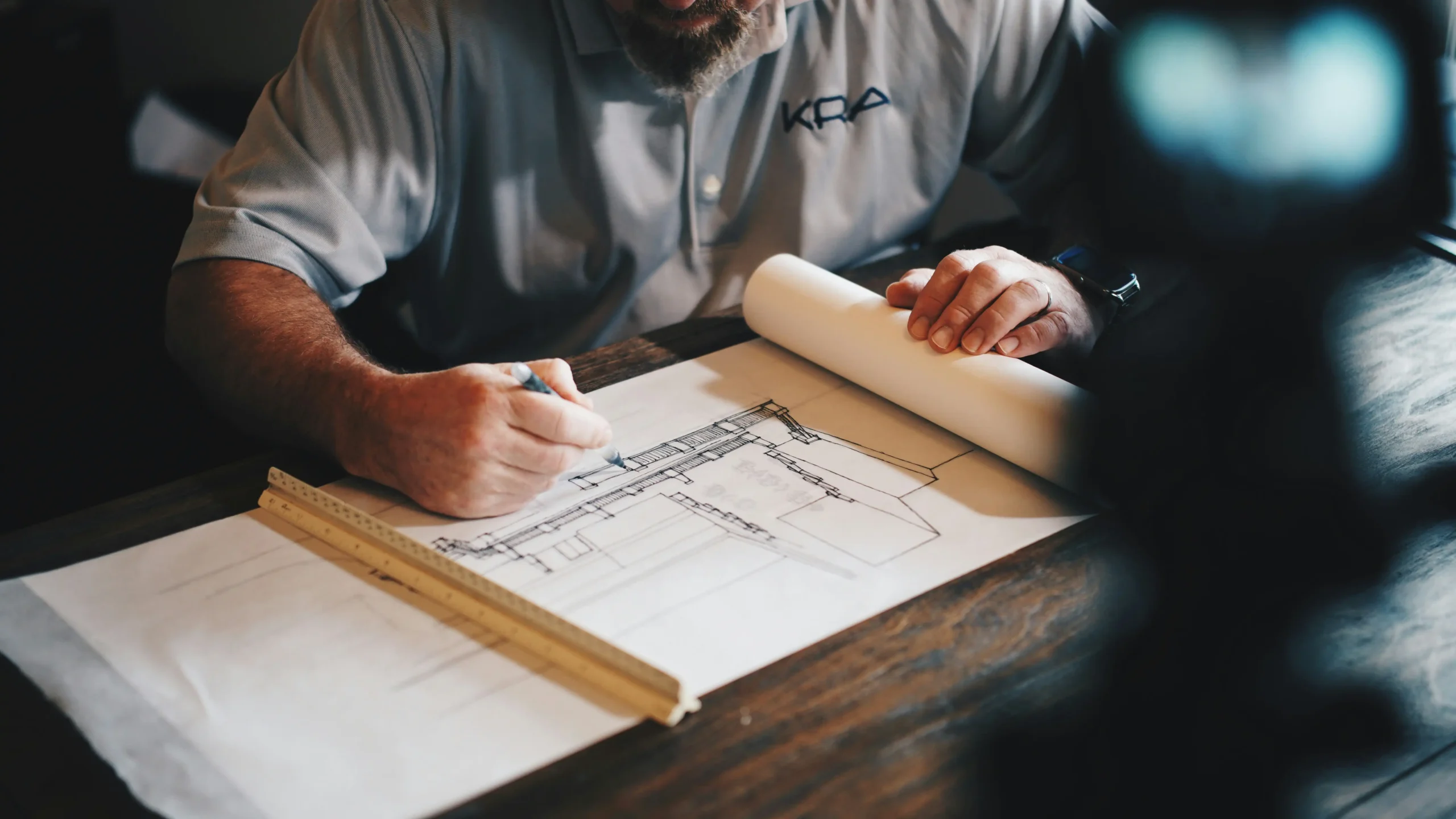
Renovation drawings naturally focus on the finished building, but construction also requires temporary systems that support the work.
Material deliveries need access. Workers need safe circulation routes. Existing portions of the property may need protection. Demolition debris needs to move from the work area to an appropriate container or staging point.
On smaller residential properties, these needs can compete for a surprisingly limited amount of space.
A dumpster placed without considering the broader site plan can interfere with material deliveries, contractor parking, equipment access, or pedestrian circulation. Conversely, locating the waste container thoughtfully can shorten the distance crews carry debris and help keep work areas cleaner.
That makes waste management part of site logistics rather than simply a disposal decision.
Consider the Dumpster Before Demolition Begins
One of the easiest mistakes is waiting until demolition is underway to determine where debris will go.
Before work starts, the project team should consider:
- The anticipated type and volume of debris
- Available driveway or site space
- Access required for delivery and pickup
- Clearance around buildings, landscaping, utilities, and overhead obstructions
- Whether other trades will need the same access area
- Local restrictions that may apply to containers placed on streets or public property
The objective is not simply to find an empty spot. It is to identify a location that works throughout the active phase of the project.
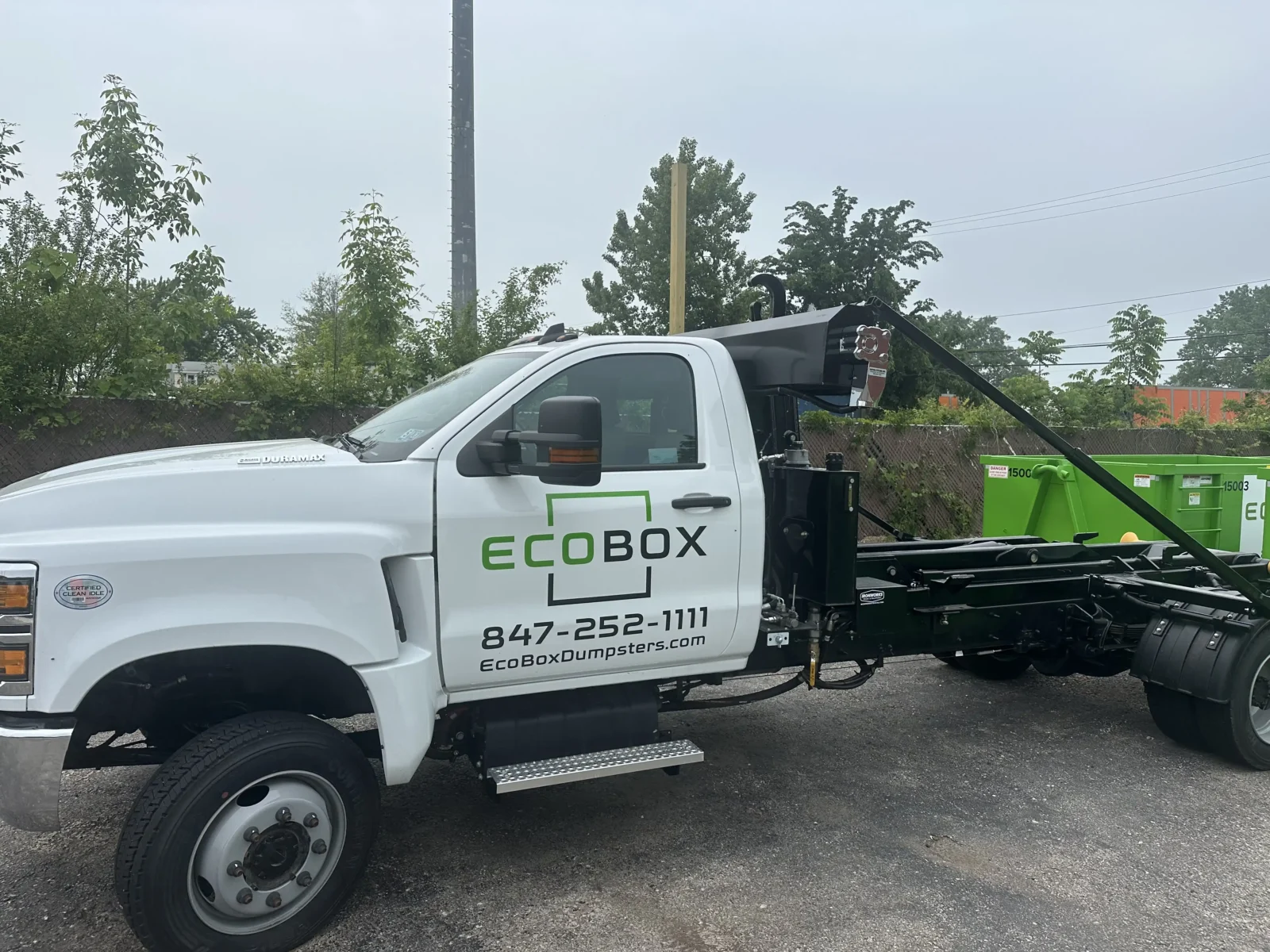
For homeowners and contractors in northern Illinois and southeastern Wisconsin, companies such as EcoBox Dumpsters provide compact roll-off dumpster options that can be incorporated into residential renovation logistics.
Container Size Should Match the Work, Not Just the Property
It can be tempting to select the largest container that physically fits, but bigger is not necessarily better.
Different phases of a renovation generate different kinds and amounts of debris. A bathroom remodel will generally have different disposal requirements than a whole-house interior renovation. Flooring removal, cabinetry replacement, drywall demolition, and exterior work can each create very different waste streams.
The appropriate container should therefore reflect both the anticipated debris and the physical limitations of the site.
On tighter residential properties, a smaller roll-off can sometimes provide a better balance between capacity and site access. Larger projects may require greater capacity or multiple container cycles rather than allowing debris to accumulate around the work area.
Planning this alongside the construction schedule allows the disposal strategy to support the project rather than interrupt it.
Driveway and Property Protection Matter
Waste containers are temporary, but their interaction with the property deserves consideration.
Residential renovations often take place while homeowners continue living at the property. Existing driveways, landscaping, walkways, and neighboring properties therefore remain important project constraints.
Before placing a container, contractors and homeowners should consider the condition and construction of the driveway and discuss how the rental provider handles container placement.
The same principle architects apply to protecting existing building elements during renovation should extend to exterior areas being used temporarily for construction operations.
Think About the Path Debris Will Travel
The location of the dumpster is only one part of the equation.
The project team should also consider how debris moves from the point of demolition to the container.
A shorter, unobstructed route can reduce unnecessary handling and help workers keep demolition material from accumulating in finished or occupied portions of the property.
For interior renovations, this may influence which entrance becomes the primary construction access point. Protective floor coverings, temporary barriers, or designated circulation routes may then be planned accordingly.
In larger projects, waste movement can even be considered alongside material delivery routes so incoming and outgoing flows do not continually conflict.
Coordinate Removal With the Construction Schedule
A full container sitting on-site can become a construction bottleneck.
Waste removal should therefore be coordinated with major demolition milestones rather than treated as an unrelated service.
For example, a project may generate significant debris during initial demolition, relatively little during rough mechanical work, and another surge during later replacement of finishes or exterior materials.
Anticipating these phases allows contractors to schedule container swaps or pickups before space becomes constrained.
This is especially useful on smaller urban and suburban sites where there is little room to create a secondary debris pile.

Local Requirements Should Be Checked Early
Dumpster placement requirements vary by municipality.
A container placed entirely on private property may be treated differently from one occupying a street, alley, parkway, or other public right-of-way. Local permits or restrictions may apply depending on where the project is located.
These questions should be resolved before construction starts whenever possible.
For architects and contractors managing projects across several municipalities, incorporating a simple waste-placement check into the preconstruction process can prevent last-minute surprises.
Better Design Includes Better Construction Planning
Architecture ultimately concerns the creation and transformation of space, but getting from the existing condition to the finished design requires an organized construction process.
Waste logistics may seem minor compared with floor plans, structural decisions, materials, and building systems. In practice, however, inefficient debris handling can affect site access, worker productivity, property protection, and scheduling.
The best renovation planning therefore considers both sides of the transformation: the materials going into the project and the materials that must come out.
By identifying waste volumes, container location, access routes, property-protection needs, and removal timing before demolition begins, project teams can create a cleaner and more efficient path from the existing building to the finished design.
















Leave a comment