


The shifting demands of panel installation in architectural projects
Architectural panel installation has changed considerably over the past decade. Larger panel formats, more complex geometries, and tighter tolerances have become standard expectations on commercial and high end projects. Traditional panel installation methods have struggled to keep pace with these demands.
Screw-based installation was never engineered for what’s being asked of it today. At scale, it creates alignment inconsistencies, extended installation times, and compromised finishes that fall short of what architects and clients specify.
Precision and efficiency are often treated as competing priorities. Achieving one has typically come at the sacrifice of the other, at least with conventional methods. But now, engineered mounting systems are changing the industry, allowing installation teams to deliver architectural-grade results without trading speed for accuracy. Panel mounting clips from Fastmount represent exactly this shift: a purpose-built solution designed to meet the demands of modern architectural panel installation.
The limitations of traditional screw-based panel installation
Experienced installation teams understand the frustrations of screw-based fixing at scale. Achieving consistent alignment across a large panel run demands significant time and skill, and the margin for error compounds as the installation grows. Small inconsistencies accumulate across a project until the end result doesn’t reflect the design intent.
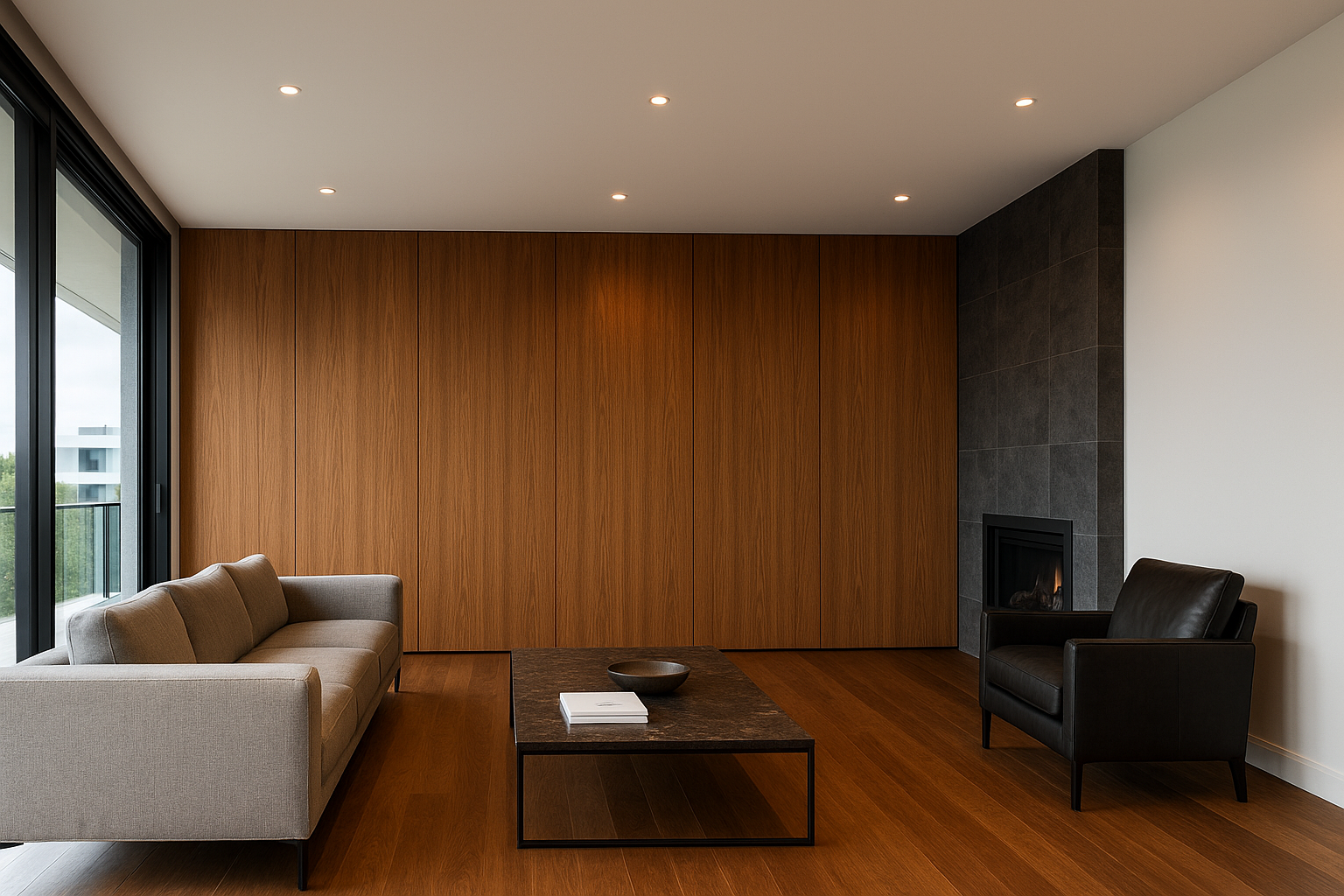
Visible fixings are another problem that architectural specifications increasingly refuse to accommodate. Exposed screw heads interrupt the clean, seamless surfaces that define quality in commercial and high end residential environments. There’s no elegant workaround with traditional methods: the hardware is either visible or it isn’t.
Correcting problems is costly too. Panels fixed with screws are difficult to adjust without surface damage, and repositioning one often means starting again. On a large installation, that kind of rework doesn’t just affect cost, it can affect the entire schedule of the project.
Architectural teams are actively looking for alternatives that deliver engineered consistency from panel one through to the last. Screw-based methods simply weren’t built to provide that.
How engineered mounting systems are replacing screw-based installations
Fastmount’s concealed panel mounting system removes the dependency on installer skill for alignment outcomes. The clip geometry guides panels into the correct position on engagement so there’s no adjustment or incremental correction required. Panels clip into place accurately and consistently, regardless of who is fitting them.
The system is also tool free, which reduces installation complexity across large panel runs and removes the labor overheads that screw-based methods require. When a panel needs to come down either for access or repositioning, it unclips cleanly without surface damage. That matters during installation, and it matters throughout the building’s operational life.
Consistent clip spacing also delivers something that’s genuinely difficult to achieve with screw fixing: uniform panel gaps, reveal lines, and surface planes across an entire elevation. The result is a finish that reflects the design intent at every point, not just where extra care was taken.
Alignment precision across large installations
Fastmount’s clip systems are designed to deliver the same alignment outcome from the first panel to the last, irrespective of panel count, project scale, or the range of materials and substrate types involved. The system accommodates different panel thicknesses and weights while maintaining the same precision results throughout.
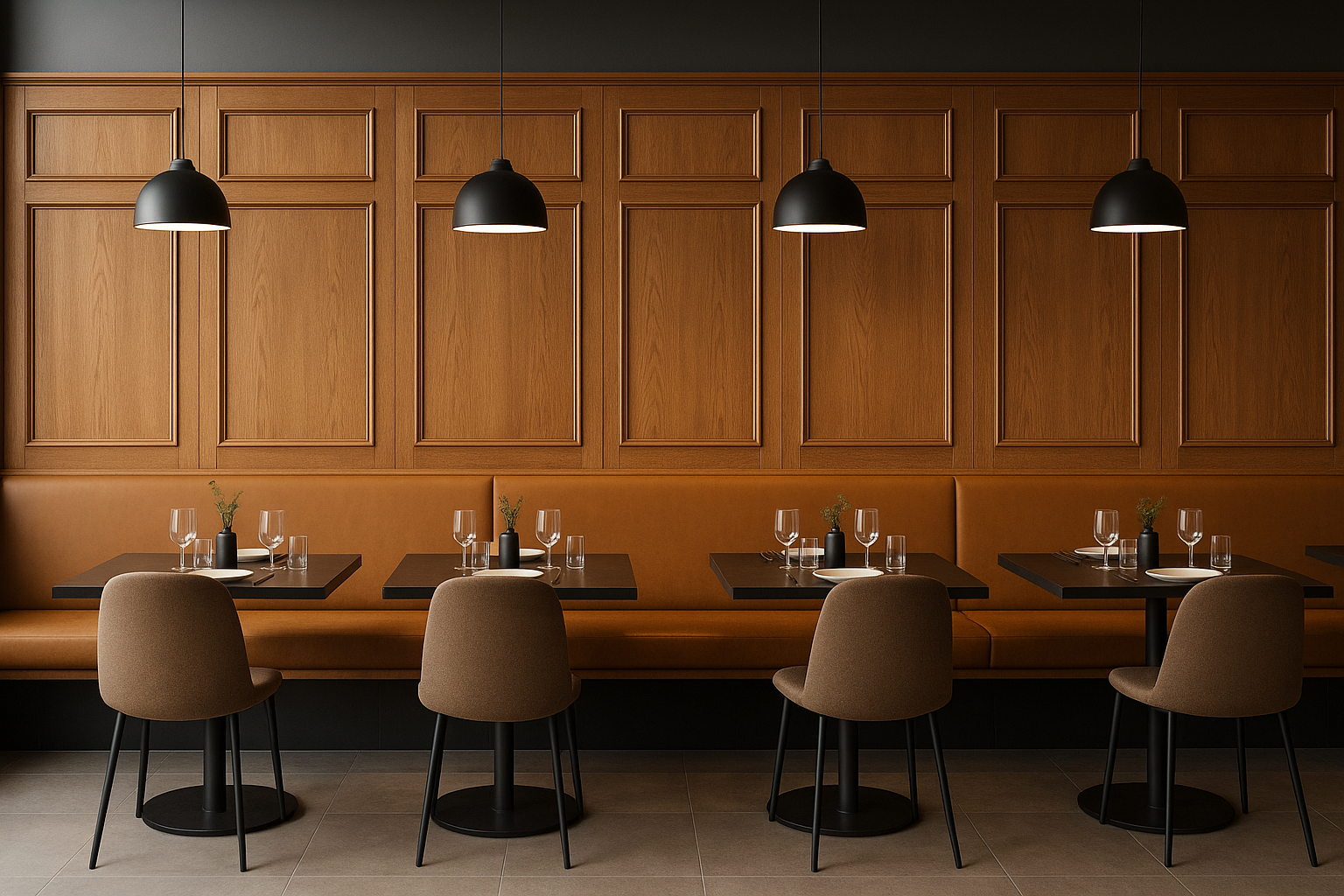
For project architects and specifiers, that consistency means what’s designed is what gets built. The installed elevation reflects the design intent fully, not just in sections where individual installers happened to get it right.
Reducing labor without compromising quality
The speed advantage from Fastmount’s approach is most evident on large scale installations. The cumulative time saved per panel when there’s no screw fixing or manual alignment adjustment required, and errors are corrected faster, translates into meaningfully shorter overall installation schedules.
Where a screw-fixed panel might require careful extraction and surface repair before repositioning, a Fastmount installed panel simply unclips and goes back on. That speed of correction doesn’t just save time but removes one of the most common causes of delay on panel-intensive projects.
Where precision mounting delivers the greatest architectural value
The projects where engineered mounting systems have the greatest impact share common characteristics: large panel counts, demanding finish specifications, and little tolerance for either visible hardware or schedule overrun.
Commercial interiors: Offices, retail environments, hospitality venues demand seamless panel finishes. The perceived quality of these spaces, and the gap between a good installation and a great one, often comes down to the fixing system used.
Education and healthcare projects: The challenge here is high volume installations across extended elevations where consistency and speed are both critical to delivery.

High end residential: Here the panel counts may be lower, but the specification tolerance is not. Visible fixings are incompatible with the finish quality demanded, and architectural panel systems that keep all hardware concealed are the only viable option.
Why Fastmount is the preferred mounting solution for architectural projects
Fastmount’s engineered, concealed, removable mounting systems are trusted across architectural, commercial, marine, and aviation applications globally. The brand is trusted because these systems perform in demanding environments and at scale, which is precisely why they’ve been adopted across architectural fit outs where precision alignment and installation efficiency are non-negotiable.
The product range covers different panel materials, thicknesses, weight ratings, and substrate configurations, so the right system can be specified for each application rather than adapting one solution to every situation. Technical specification support is available from initial design intent through to on-site installation, ensuring that what gets specified is appropriate for each project.
For architects and installation contractors who require reliable, repeatable outcomes on every project, Fastmount delivers the consistency that screw-based methods simply can’t. The tools and methods that defined panel installation a generation ago were built for a different set of demands. The projects coming through design offices today require something better. Engineered mounting systems are that step forward, and Fastmount is where that evolution starts.
Note: US-based specifiers can purchase directly through Fastmount’s online store.










Leave a comment